Article | Refractions
Board School: Reviewing Wood Flooring Samples at Home

Article | Refractions
Board School: Reviewing Wood Flooring Samples at Home

Article | Refractions
Board School: Reviewing Wood Flooring Samples at Home
Board School is our series of educational pieces created to help you maximize your appreciation and the longevity of your wood floors.
February 5, 2026
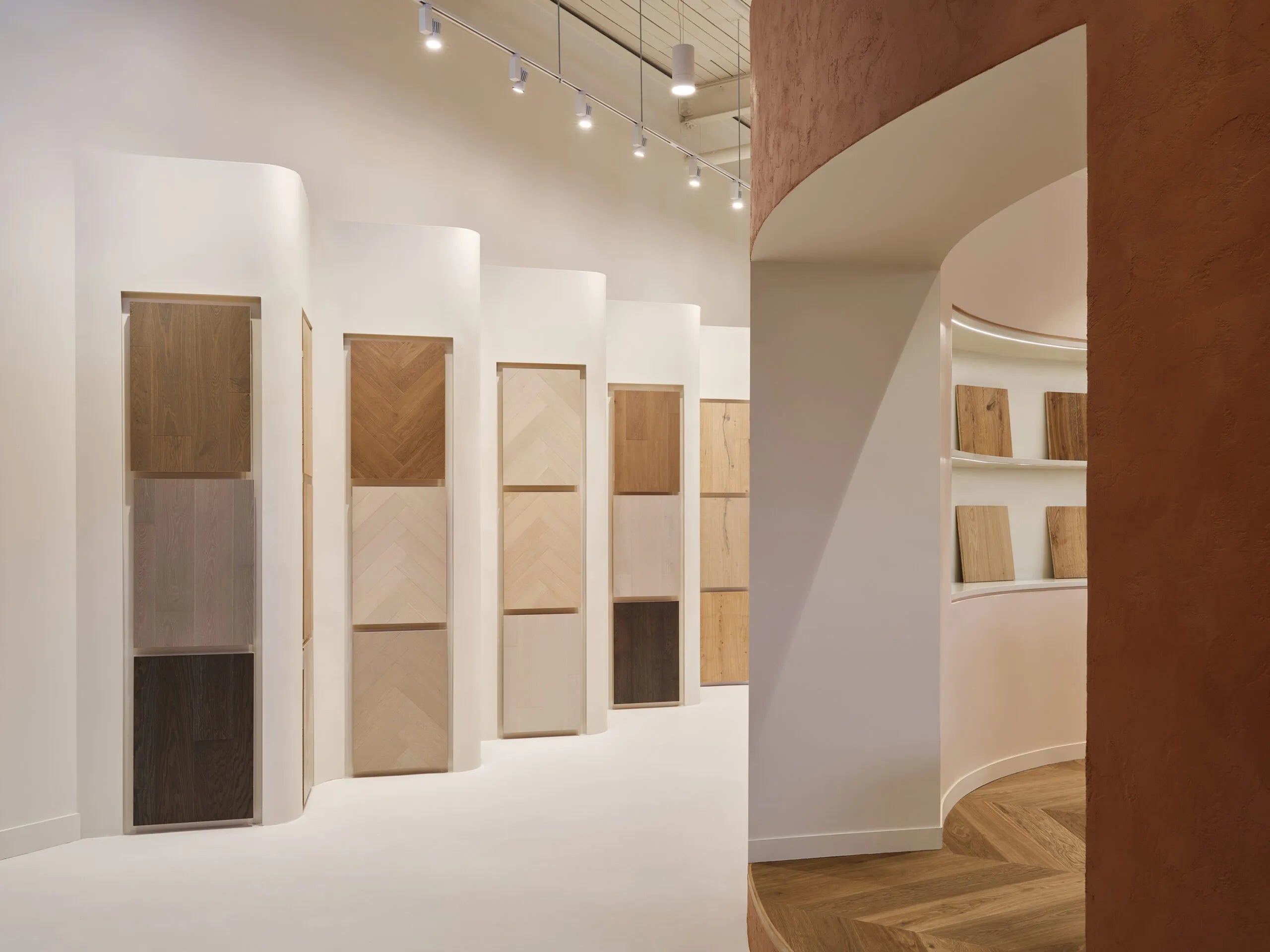
With qualities that are often subtle and dependent on factors like light and environment, it’s absolutely necessary to take a thorough look at flooring samples in your space. After visiting the Relative Floor and Walls showroom, you’ll have narrowed down the floors you like to a concise set of samples to take away. One challenge of samples is that they are one-thousandth the size of the actual plank you are buying.
Here are some tips to help you take notice of the right things and make a good decision.
Consider the Light
Planks look different in the natural light by the window than they do by light from lamps and other artificial sources. Also, direct and indirect light illuminate the floor differently. Make sure you are happy with your sample in every scenario that applies to your room.
Know Your Range
Keep the colour range of your floor in mind when looking at samples. If there’s a lot of variation, ask to borrow a large sample board.
Distance, Please
Put the samples on the floor and stand several feet back. Then, stand even further back. Then, take a look from across the room.
Rotate the Sample
Wood has a “direction” to it (e.g., herringbone). Point the sample towards the window so the light is reflecting across the length of the board, not the width. Hint: our labels always read from the long end, so if you can read the label, just flip the sample over. Now point the sample at all adjoining materials — stone, cabinets, etc. — to see how the colours and light play together.
One at a Time
Don’t place different samples together on the floor as they’ll borrow colour from each other.
Use a Neutral Backdrop
If you don’t have access to the space where the floor will be installed, use a white wall or other neutral option.
Get Inspired
Idea and design boards are very helpful. A Relative floor and walls expert can help you create yours.
Reflection and Gloss
Place your sample near a window (but not directly against the wall) so you can assess the gloss level and see the reflection from the floor.
Scale
The size of the boards plays a big role in how the floor works visually with the other elements in your room. Stay tuned for an upcoming Floorcast Blog post on selecting the right size plank for your space.
Bevel Type
Note the type of bevel: Two sides, four sides, or square edge. Ask one of our experts if you need help with this, but here are the basic guidelines: A two-sided bevel accentuates the length of the room, a four-sided bevel shows off the size of the boards, and a square edge has a site-finished look.
Fine Tune with Custom Solutions
Our collections can generally be customized in any way you like. If you’re using a pattern, talk to your designer or sales rep to help you create a layout that suits your space.
Related Posts
Board School: Wood Flooring Finishes
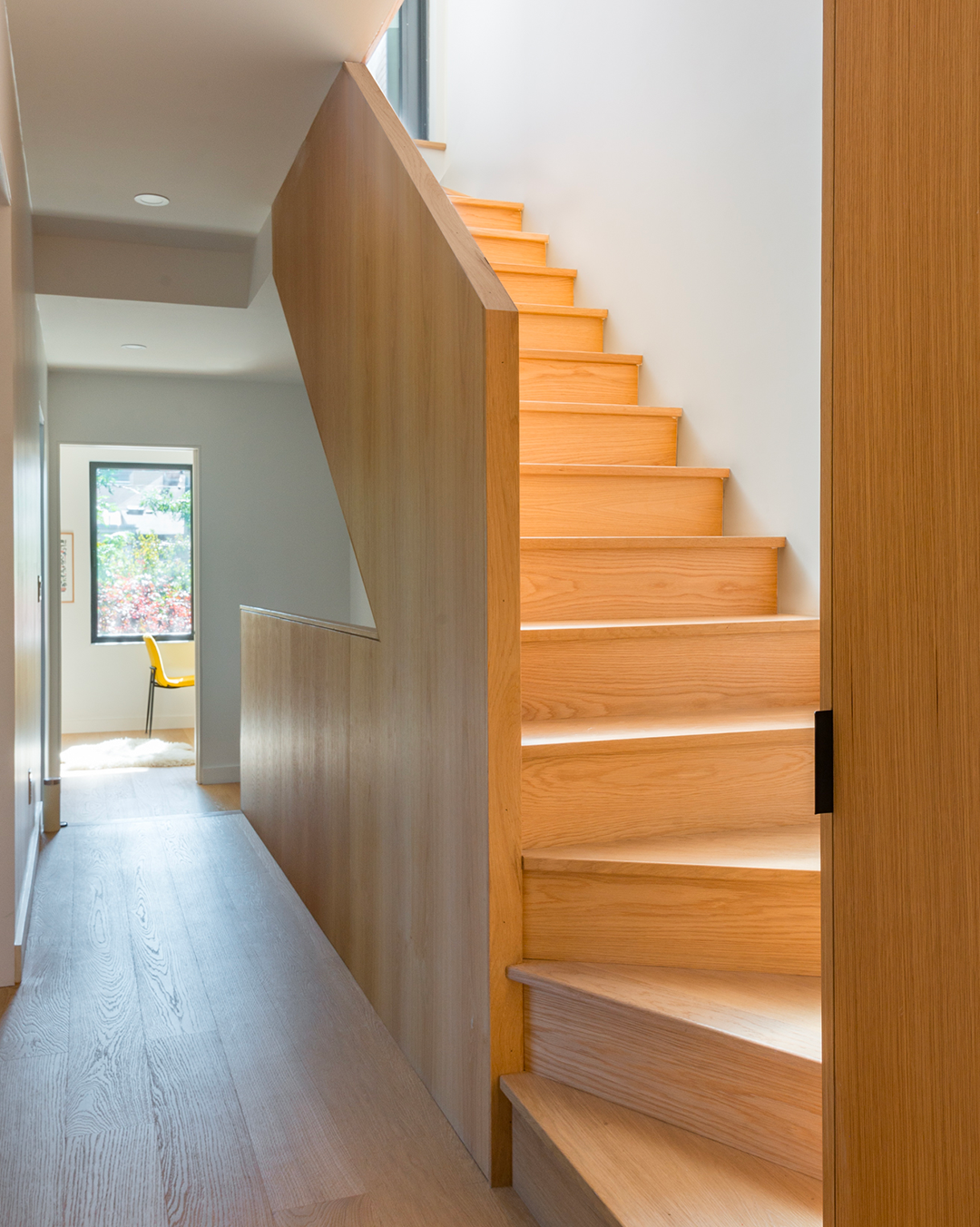
When it comes to finishes, wood flooring offers a wide range of creative possibilities, yet most options fall into two primary categories: top coat finishes and wood saturation styles. Top coats ar...
Read More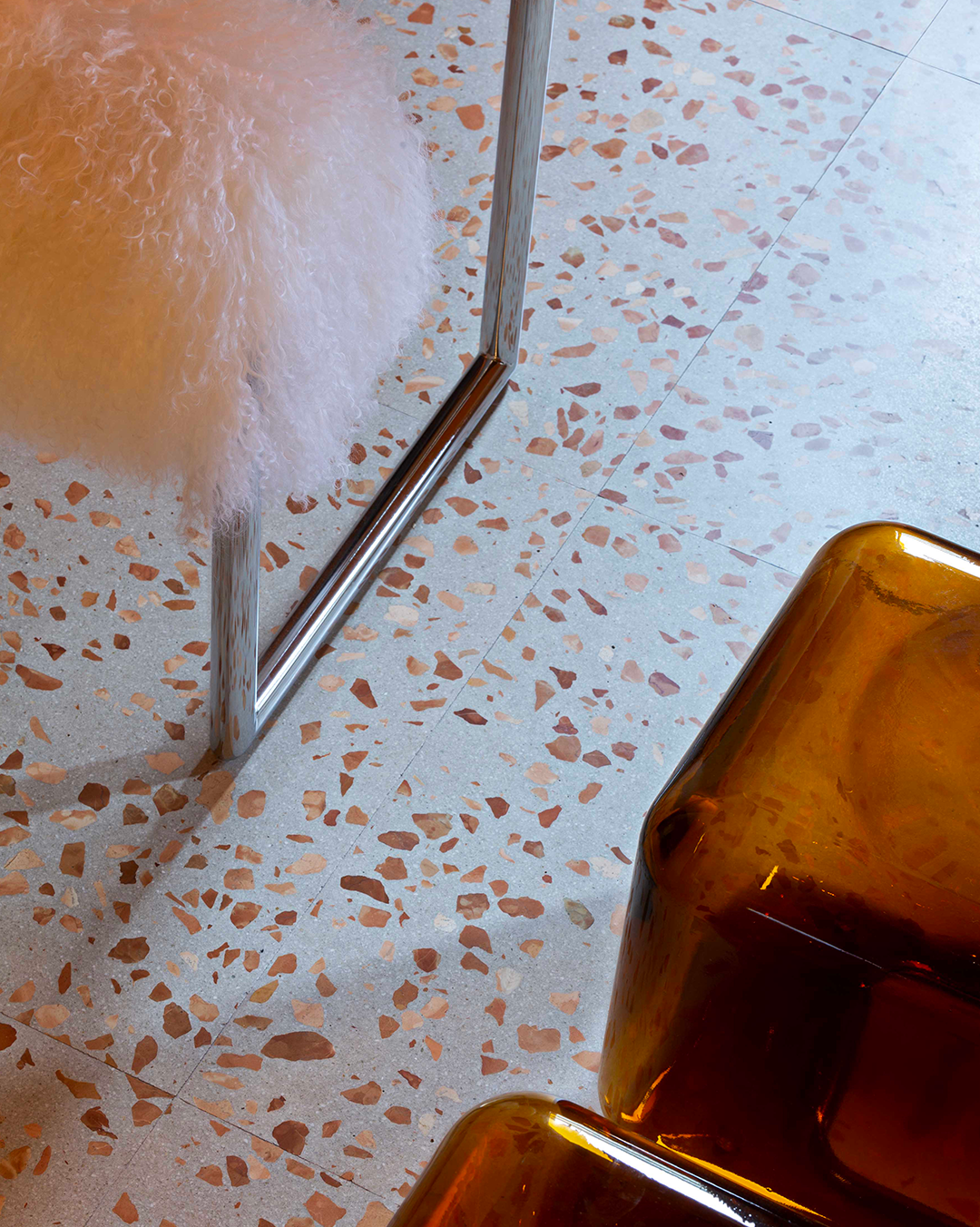
Valentine’s Day is a love story made to last:
The relationship between terrazzo and architecture is not a fleeting infatuation—it is a true love story. It grows out of making, out of the tangible reality of everyday work and the need to build ...
Read More