The Feel is in the Finish

The Feel is in the Finish

The Feel is in the Finish
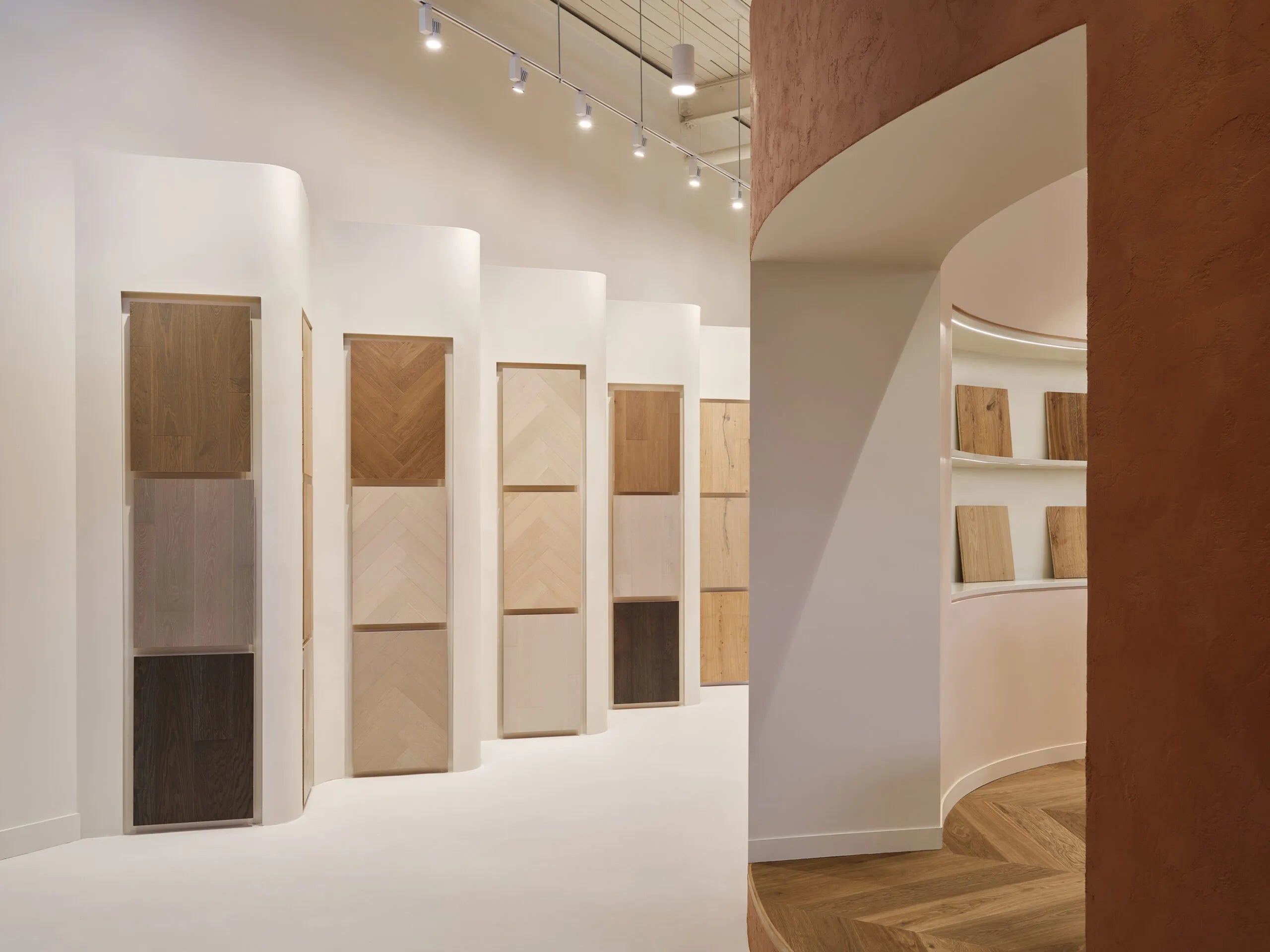
Discover how the right finish not only protects your wood floor but shapes its look and feel over time.
January 20, 2026
Shaping the look and life of your wood floor.
A wood floor is more than just planks underfoot. It’s a living surface that responds to touch, light, and time. And while the wood itself carries beauty and character, it’s the finish that defines how it looks today and how it wears tomorrow.
There are two main paths you can take when choosing a finish: one builds a shield on the surface, the other works from within. Knowing the difference isn’t just technical. It helps you choose the floor that fits the way you live.
A clear coat that guards: top coat finishes.
Think of top coat finishes, usually made with urethane or lacquer, as protective armor. They form a hard layer on the surface of the wood that shields it from wear. These finishes are known for their durability and shine (though not always in the glossy sense).
They resist foot traffic, scuffs, and scratches. But here’s a secret: it’s not about avoiding marks entirely, it’s about making sure they don’t show. That’s why matte or low-gloss finishes are gaining ground. They do a better job of camouflaging life’s little messes.

How to care for top coat finishes.
This type of finish requires you to preserve that outer layer. Once it wears through, the raw wood is exposed, and fixing that is no small task. Start with prevention: good doormats, no outdoor shoes inside, regular sweeping. If you’re the kind who vacuums in socks, you’re already on the right track.
Living finish.
Saturation finishes work differently. Instead of forming a film, they penetrate the wood, typically using oils derived from natural sources. These oils fill the grain and protect the wood from within, leaving a finish that feels soft underfoot, looks matte, and ages gracefully.
This finish doesn’t fight patina. It embraces it. Over time, your floor tells the story of how it's used: softly worn pathways, a deepening tone, a texture that lives.
How to care for oil finishes.
The trick with these floors is to keep them nourished. If the wood dries out, it becomes brittle and vulnerable. That’s why cleaning isn’t just about removing dust. It’s about feeding the surface with special soaps that replenish the oils as they clean.
And yes, oil-finished floors need a bit more attention over the years. But they’re easier to refresh and spot-repair than top coat finishes. The look they gain over time is worth the extra love.
A final myth to sweep aside.
Some marketing myths claim that the finish itself makes a floor “dent-proof.” That’s wishful thinking. Dents come down to wood density, not finish chemistry. A soft wood with a hard top coat will still dent under pressure. So make your choice based on feel, aesthetics and your lifestyle.
Related Posts

Hadi Teherani has designed iconic buildings and objects with a signature approach: holistic vision, attention to sustainability, and a love for modular composition. With Parador, the German pioneer...
Read More
Discover how to protect your wood floor from winter’s hidden damage with simple, effective tips.
Read More