Wide Plank Wood Flooring
Relative Floors & Walls presents wide plank wood flooring designed to define spaces with natural simplicity and clean architectural lines. With fewer visible joints and long, uninterrupted grain patterns, wide plank flooring enhances the inherent beauty of wood while creating a sense of openness, calm, and visual continuity.
Each plank becomes a design element in itself, emphasizing tonal depth, natural variation, and the authentic character of the surface. Ideal for interiors that favor minimal yet refined aesthetics, wide plank hardwood flooring represents the meeting point between contemporary design and natural warmth.
About the Flyt Collection
The Flyt collection showcases engineered hardwood flooring presented in an elegant wide plank format. The Wide Plank format is crafted in oak and designed to highlight the scale and purity of the wood, creating a clean, modern aesthetic. The engineered construction ensures long-term stability, while the low-sheen matte lacquer finish reduces glare and enhances the depth of color and grain. Suitable for glue-down or floating installation (depending on specifications), it is ideal for both residential and commercial interior spaces.
Size: ⅝" x 6 ⁵⁄₁₆" x 86 ⅝", Wide Plank.
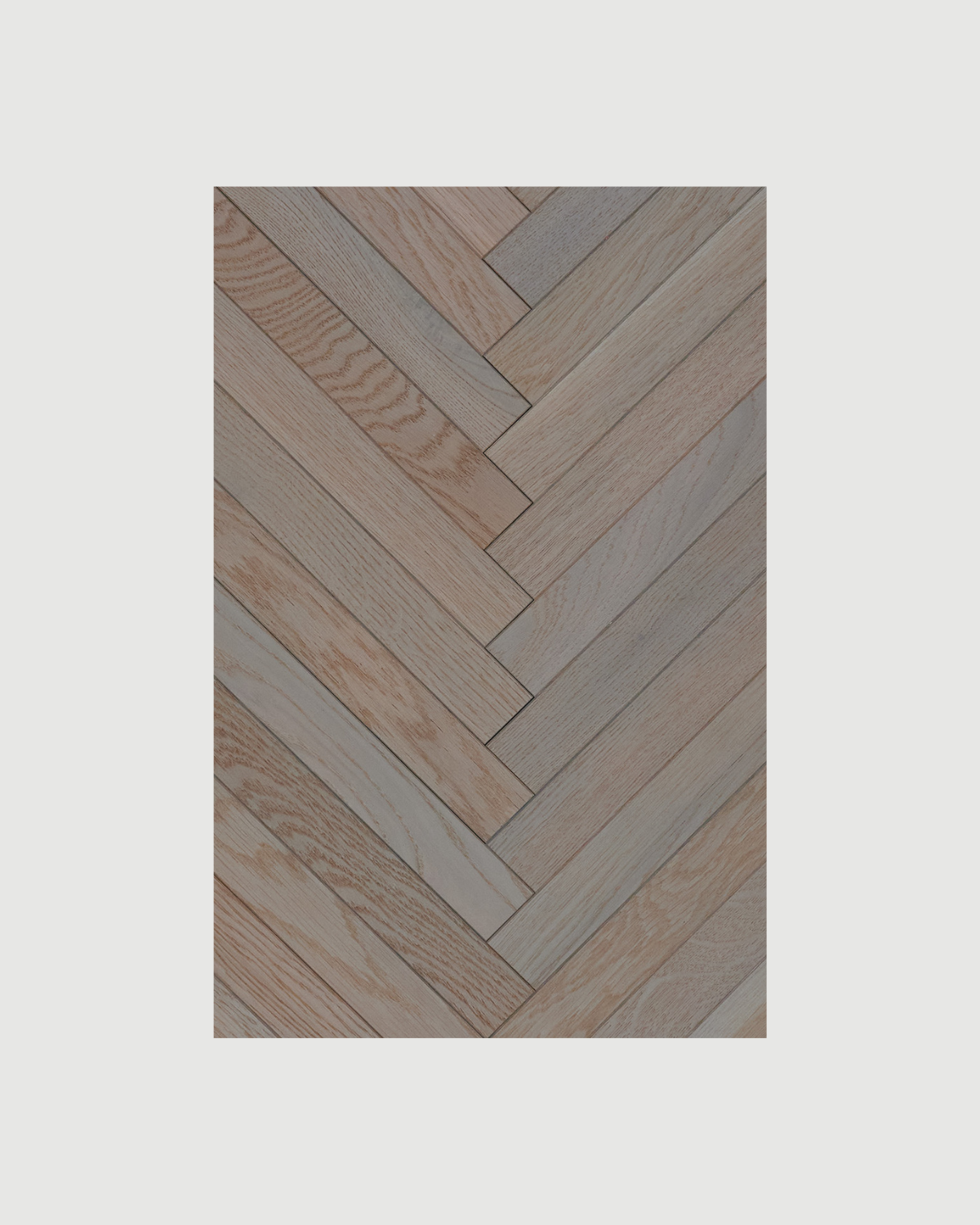
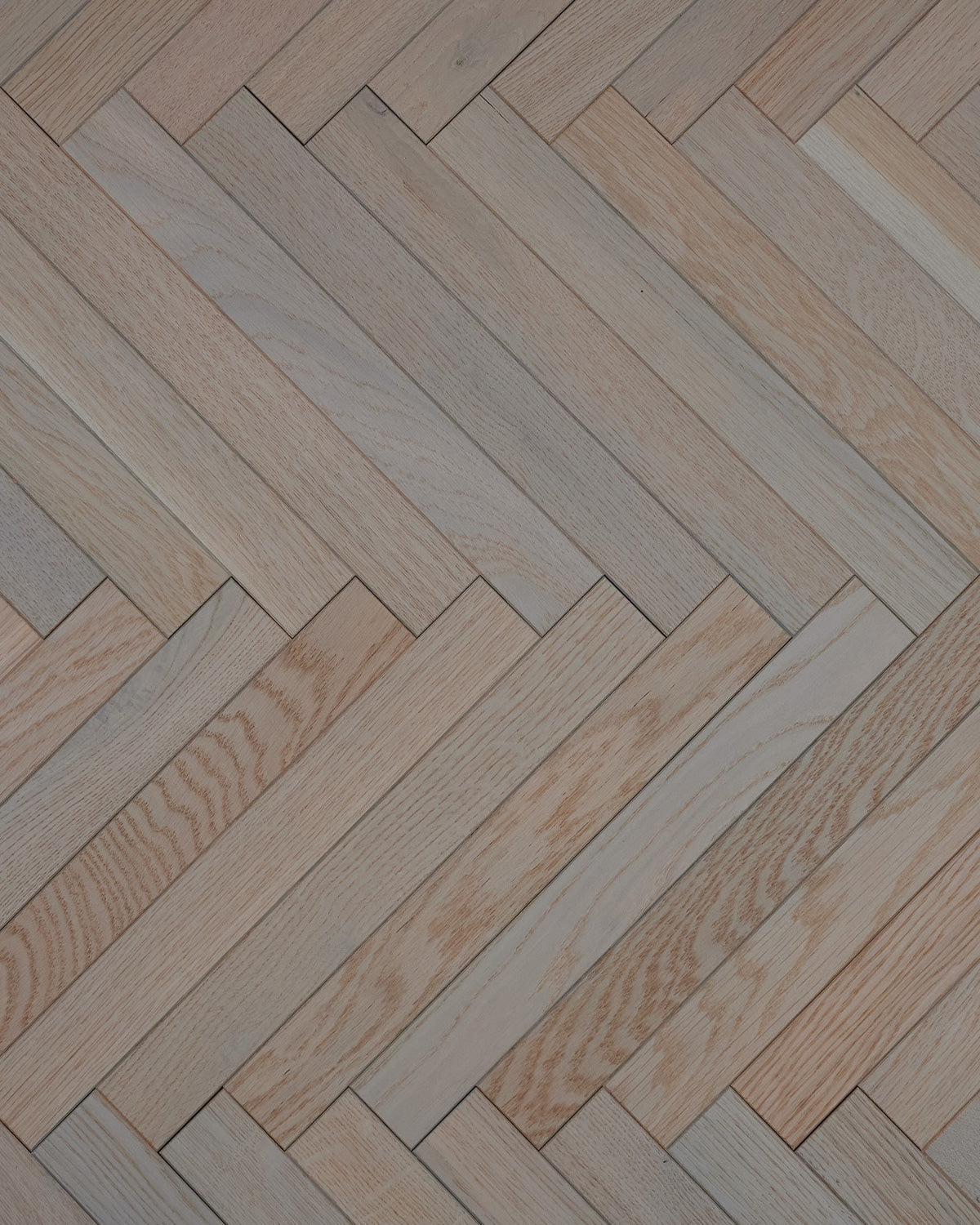
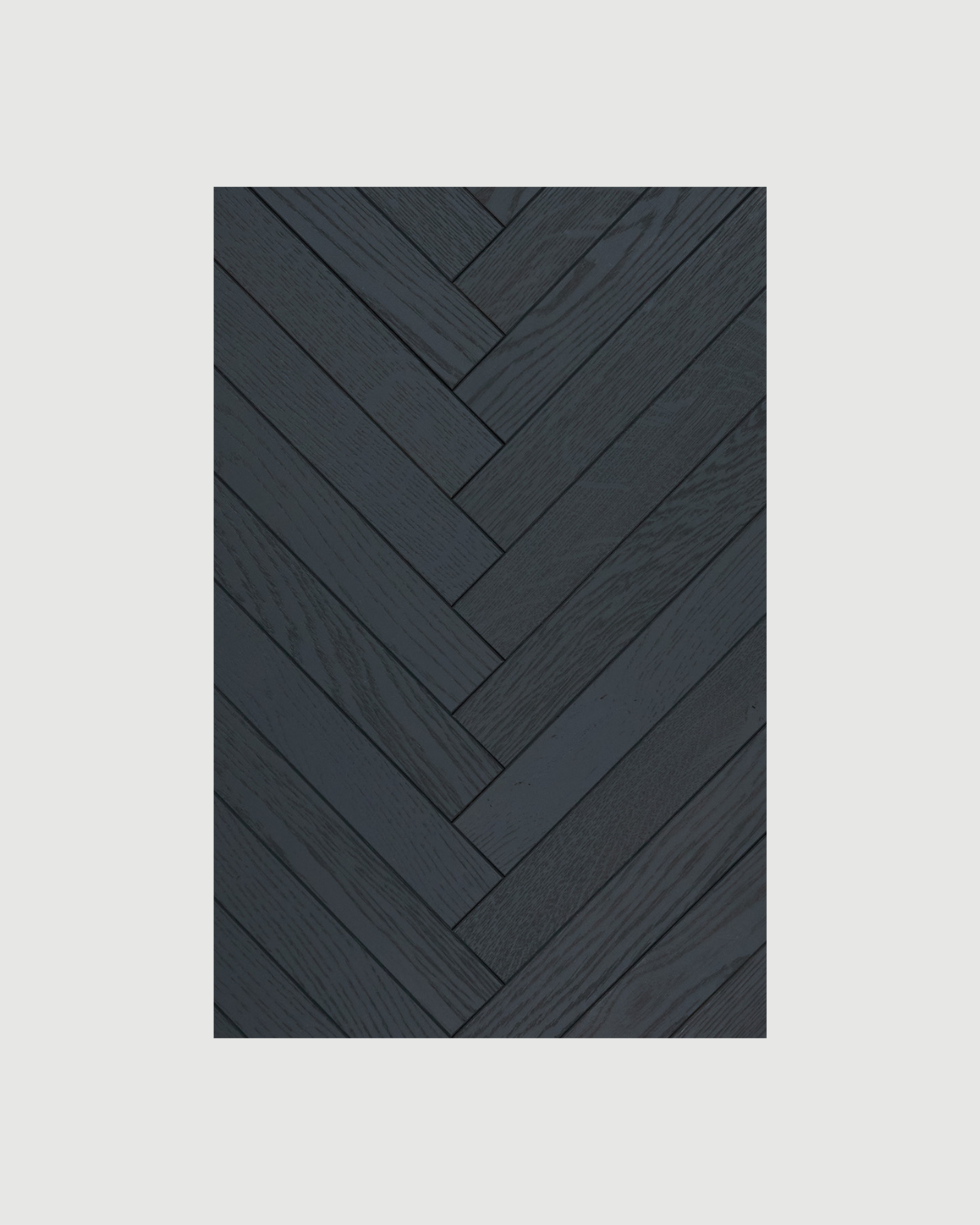
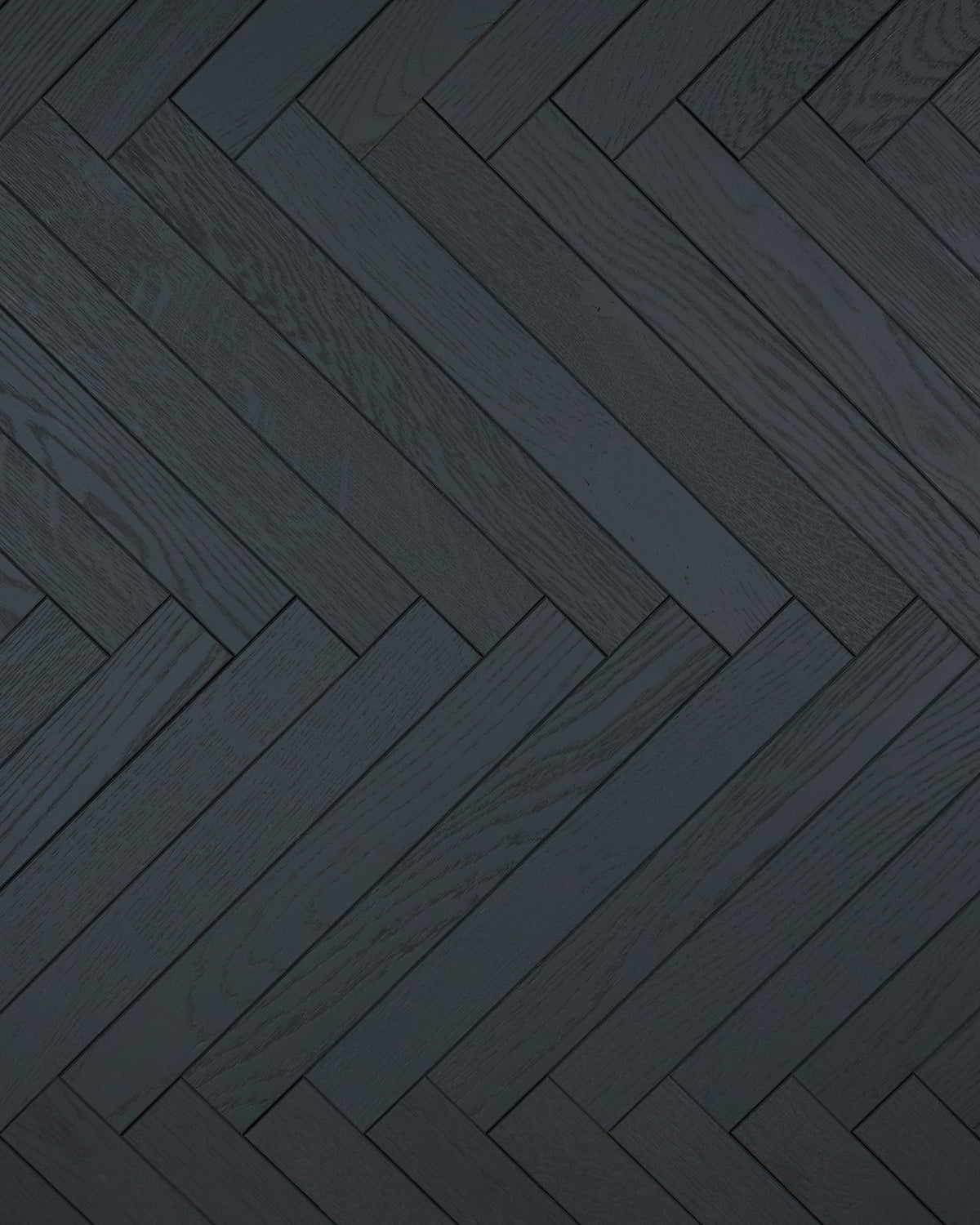
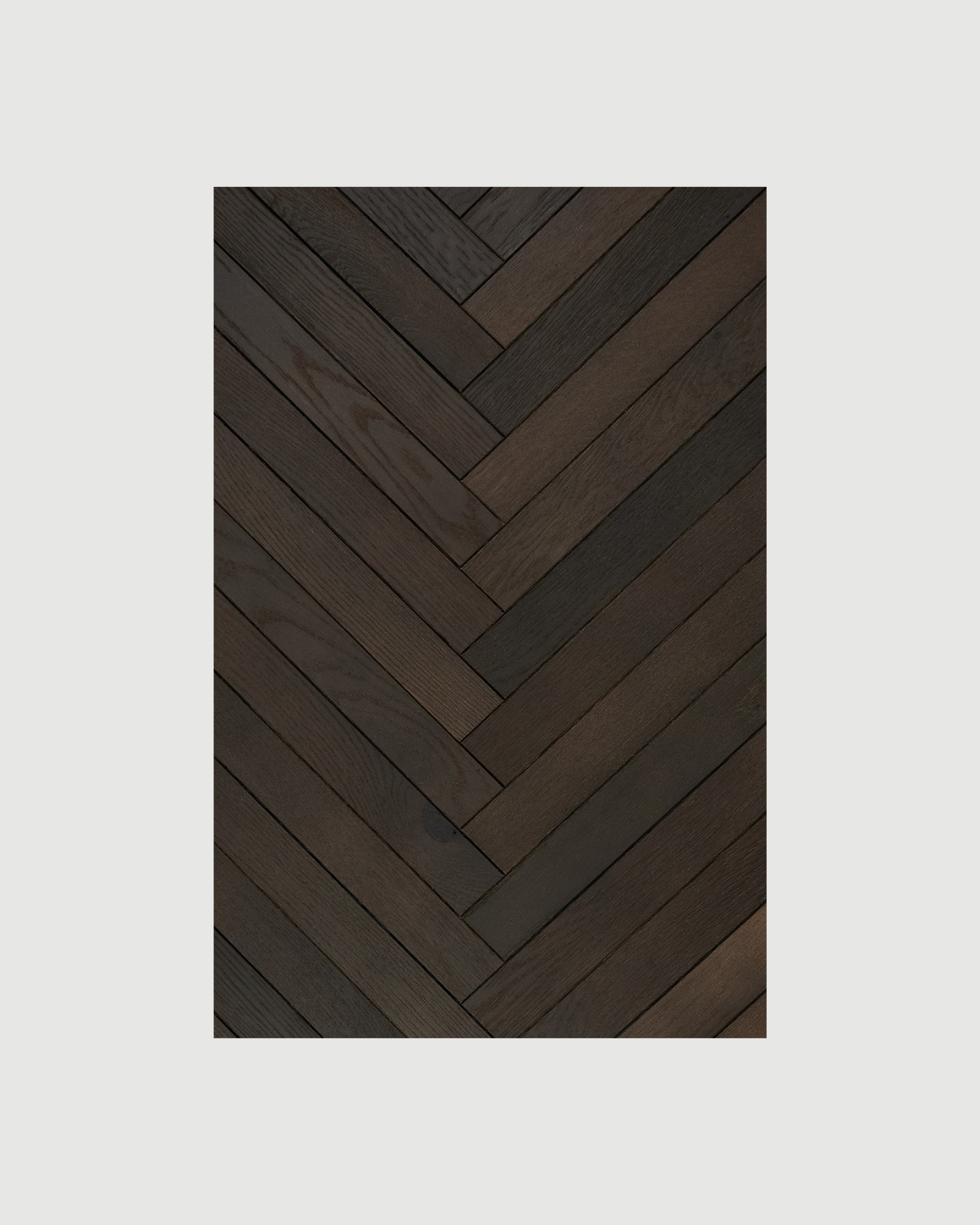
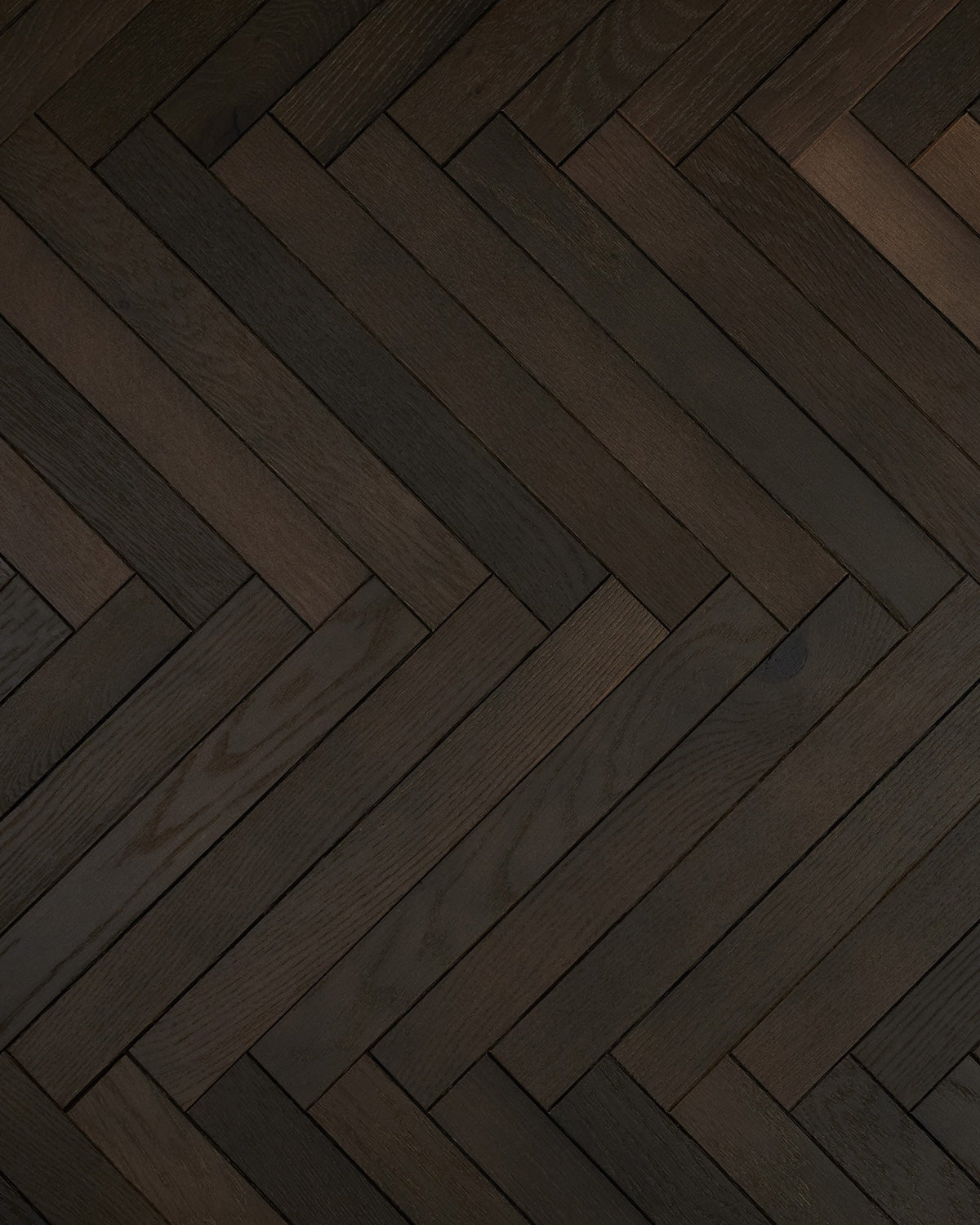
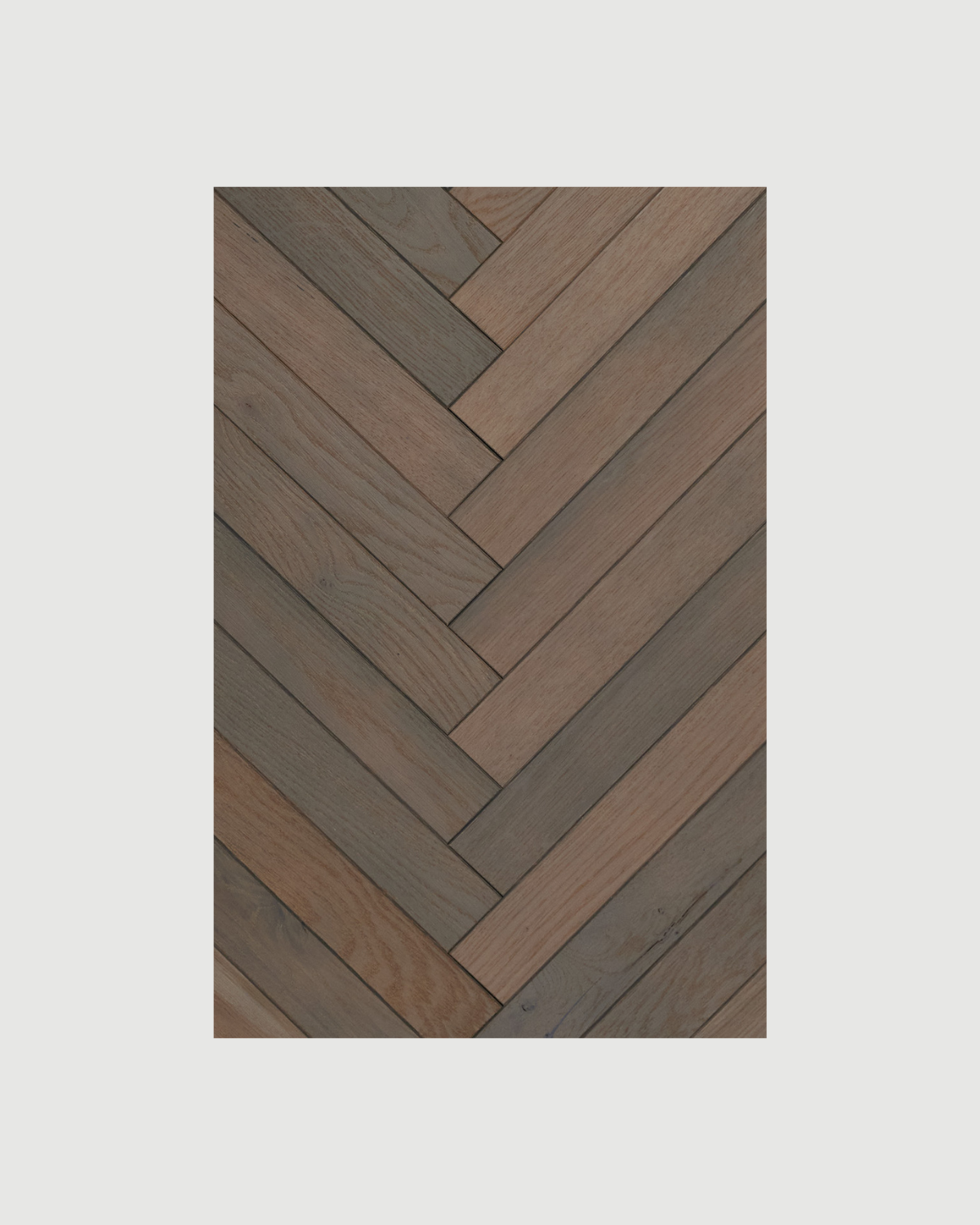
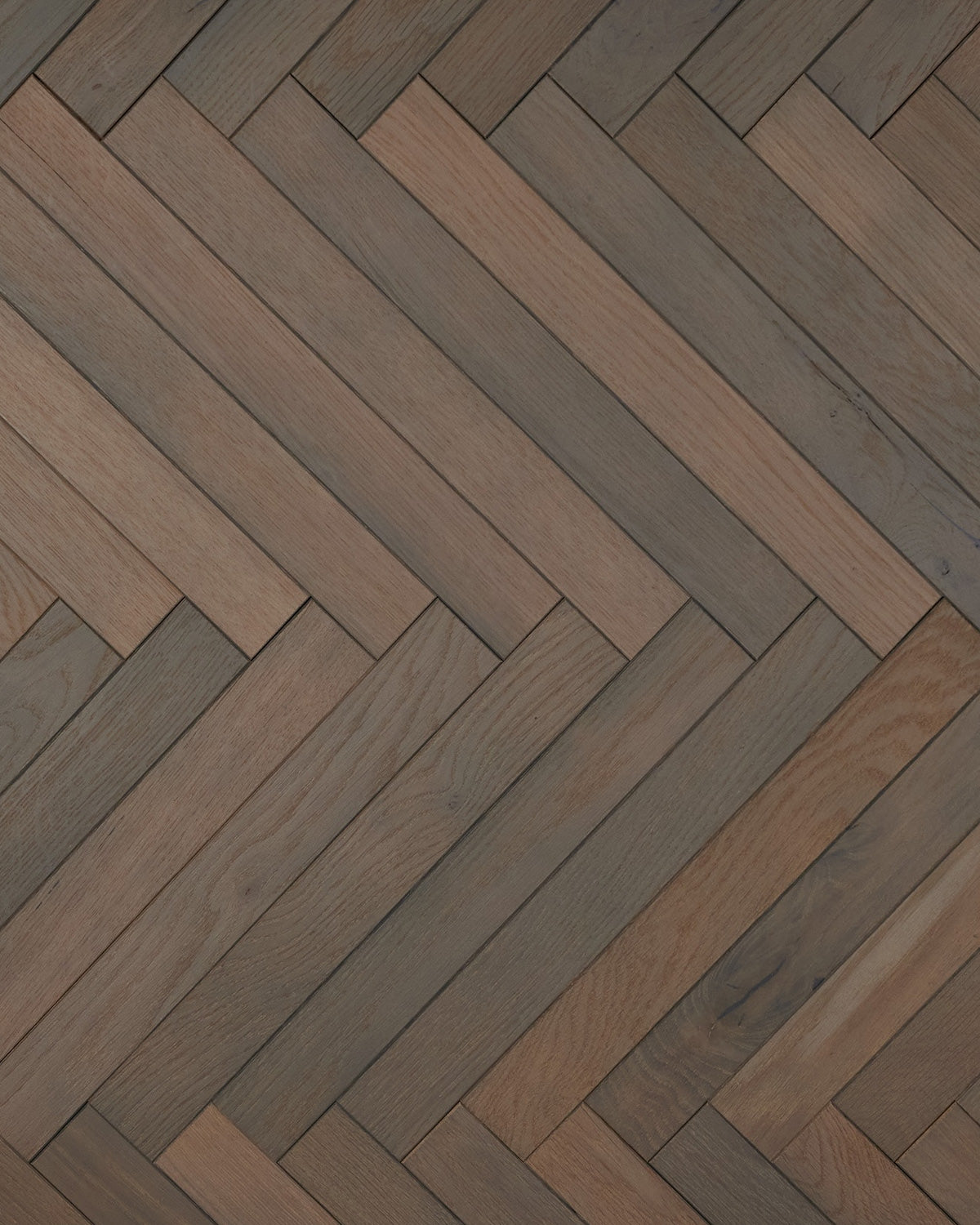
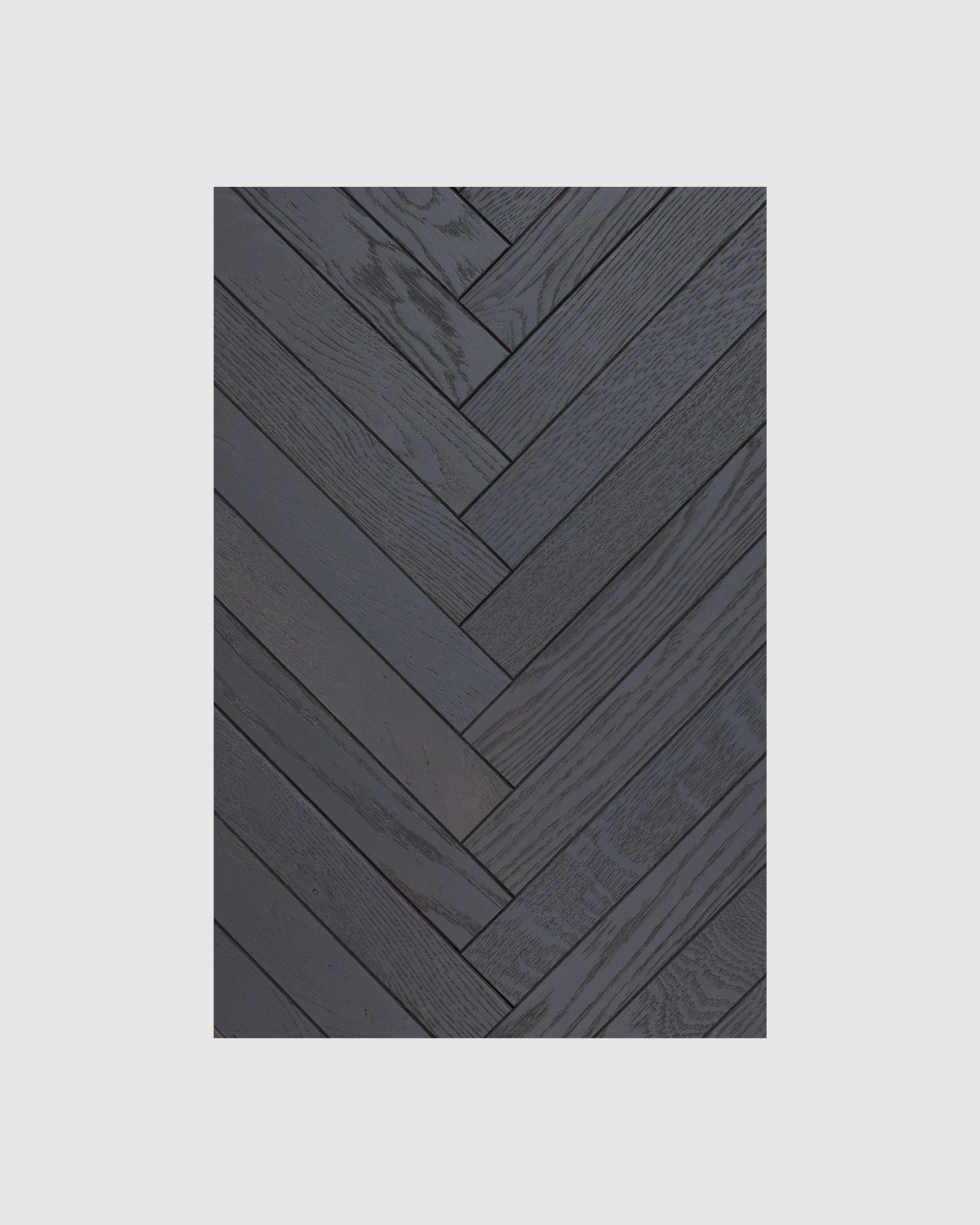
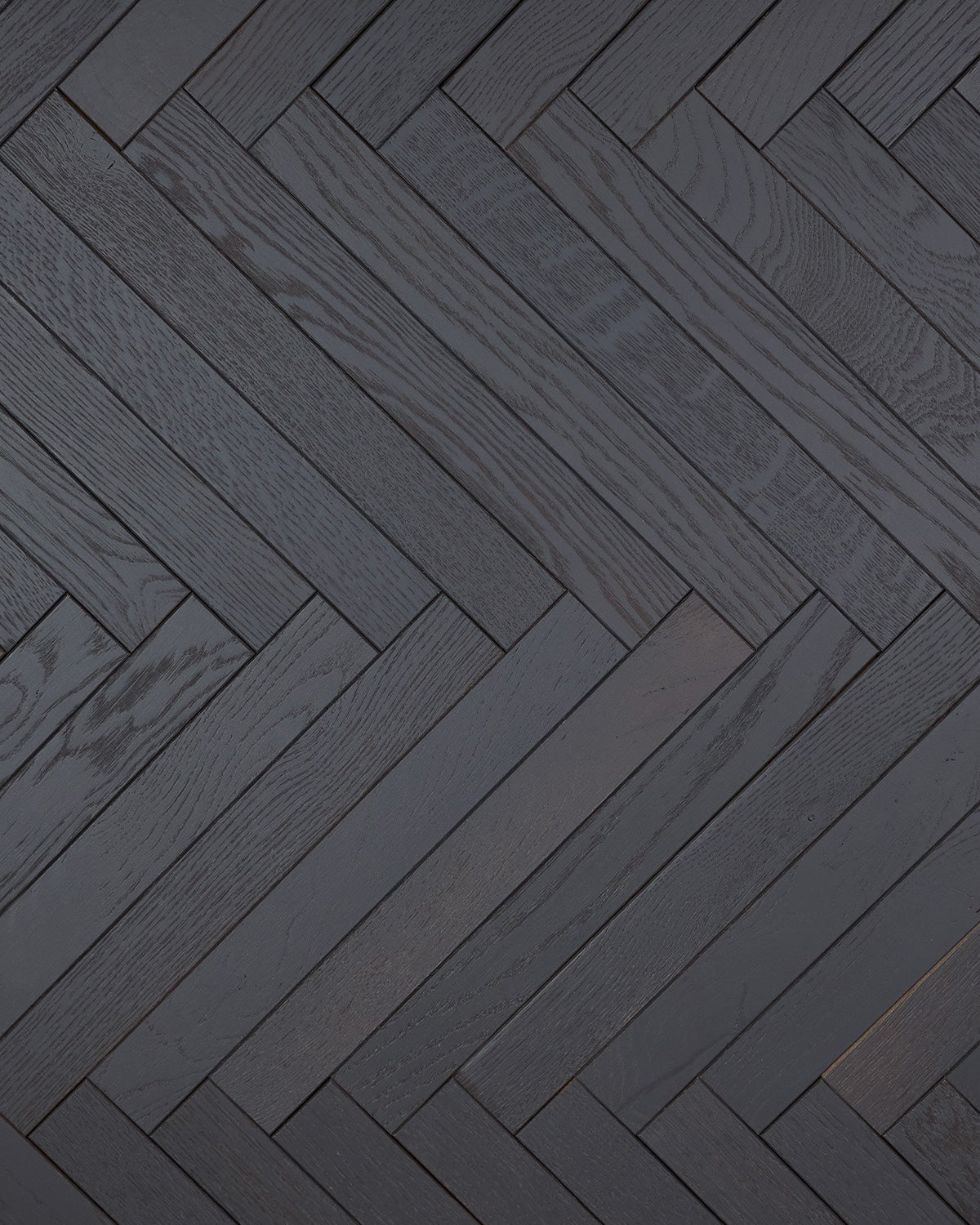
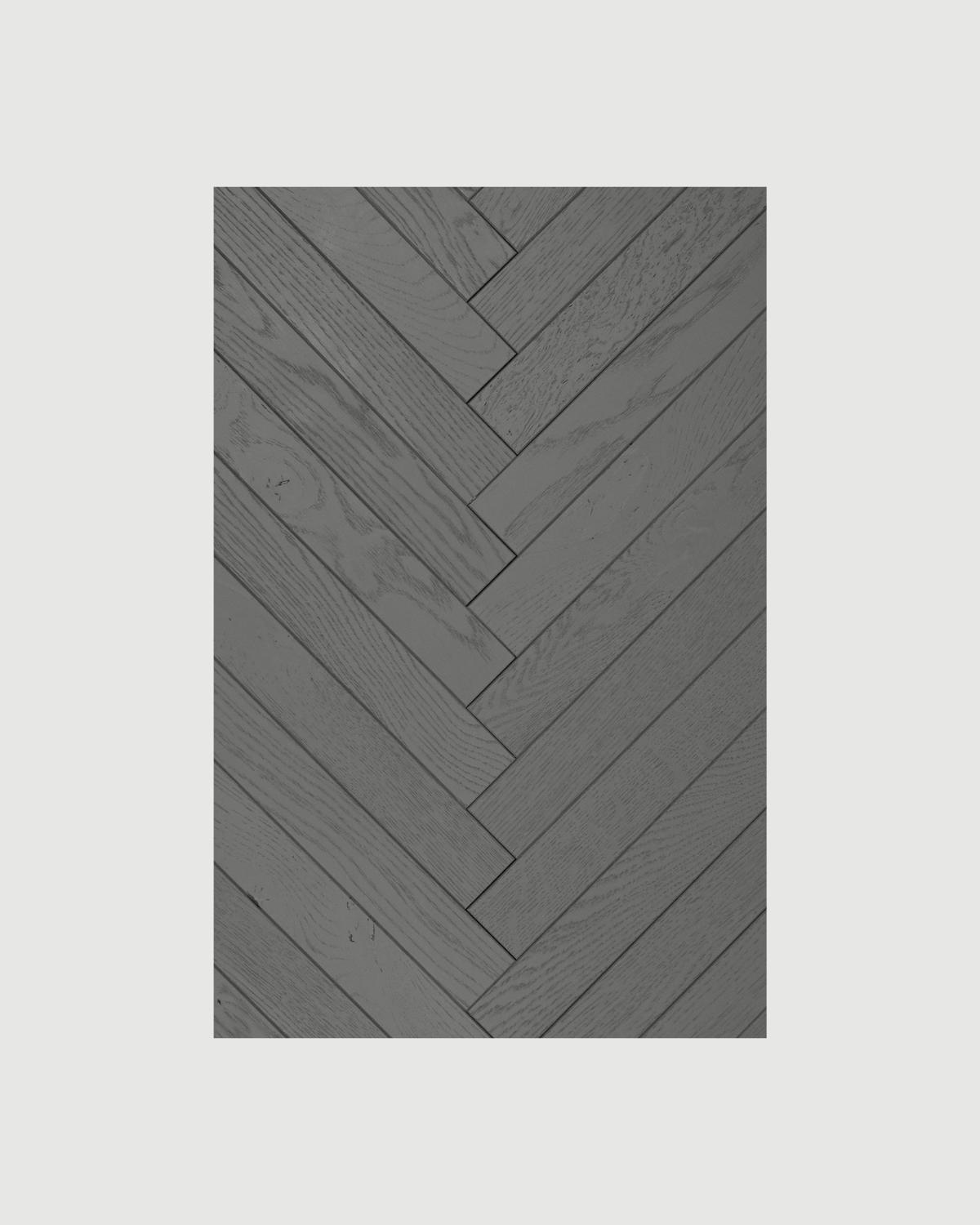
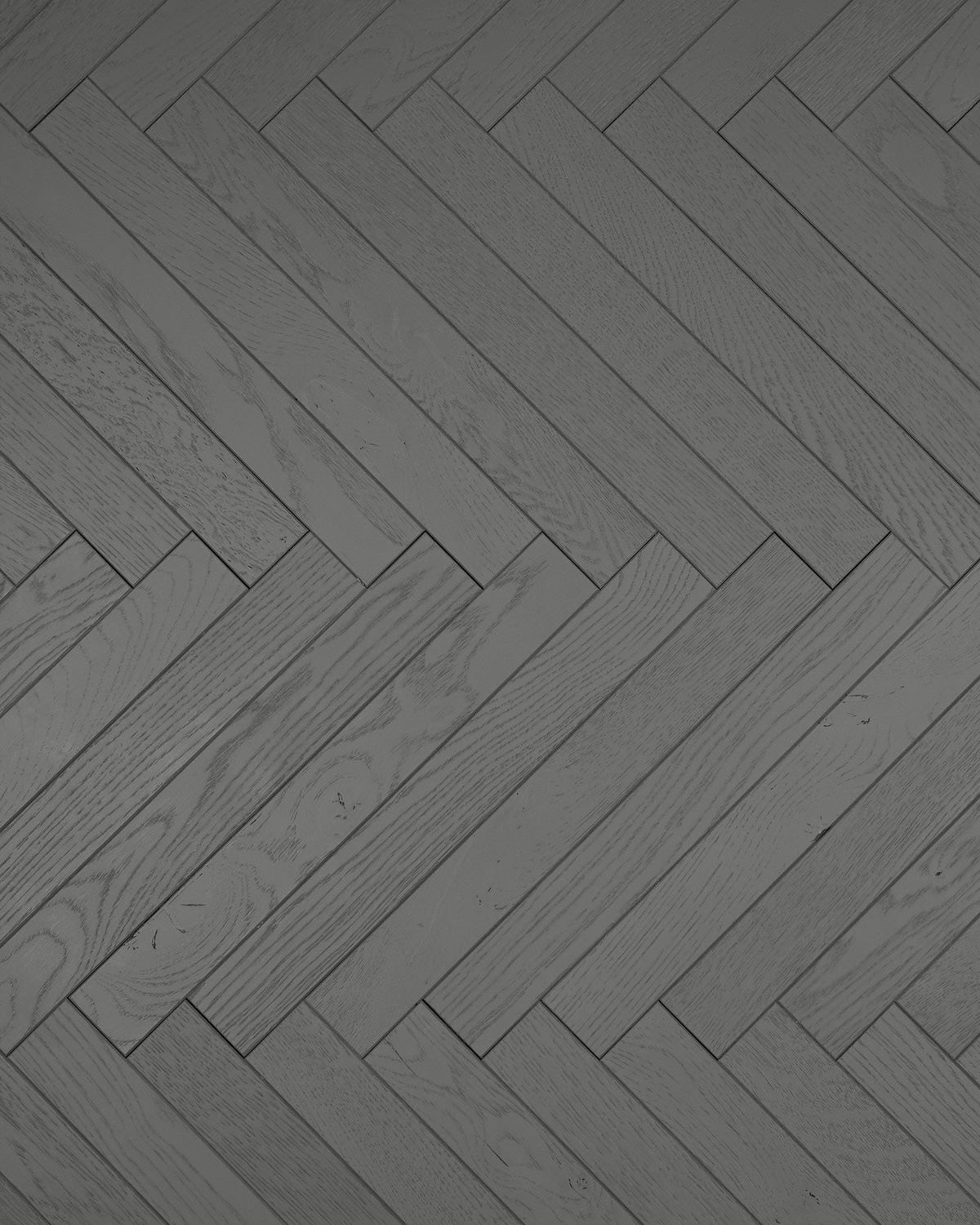
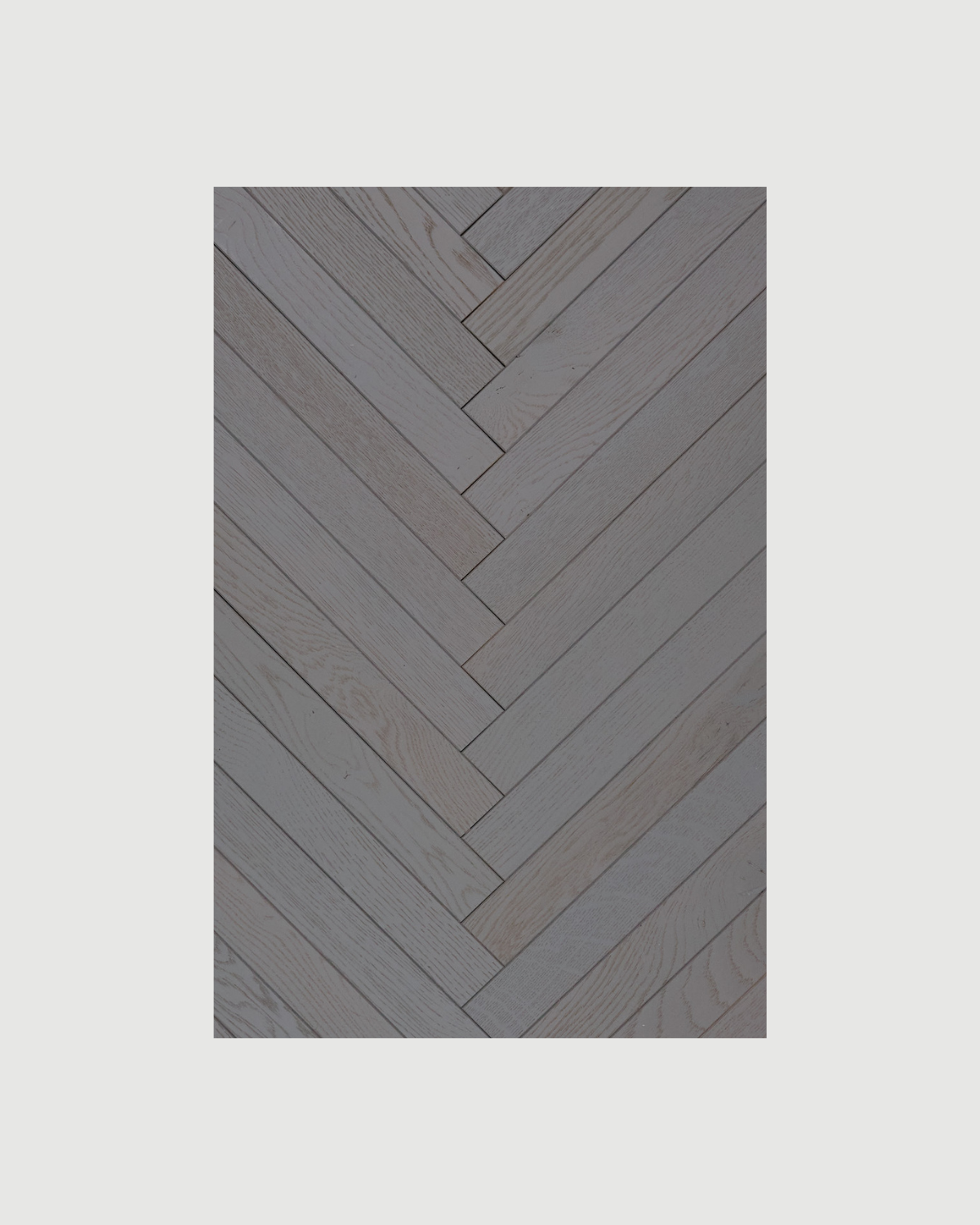
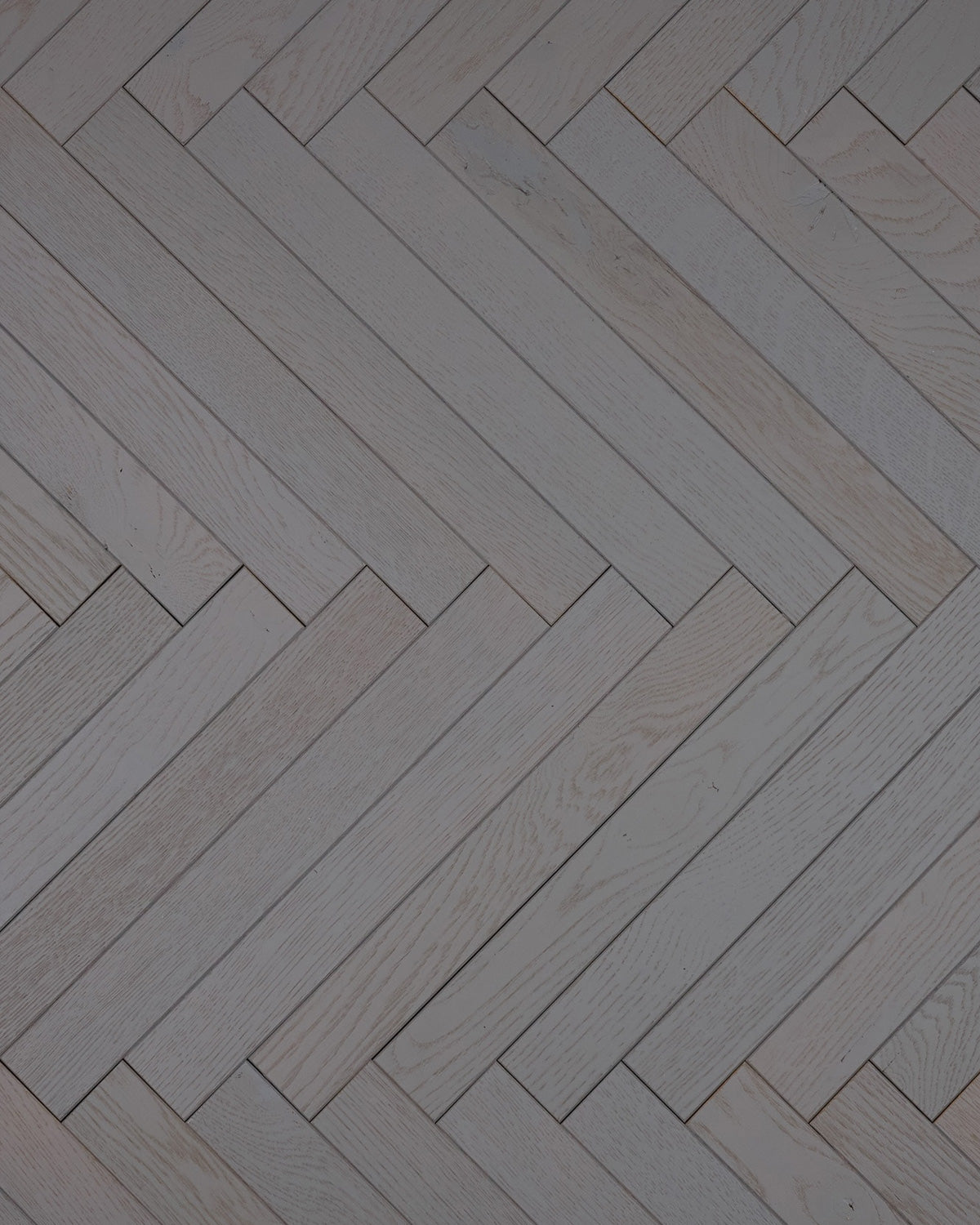
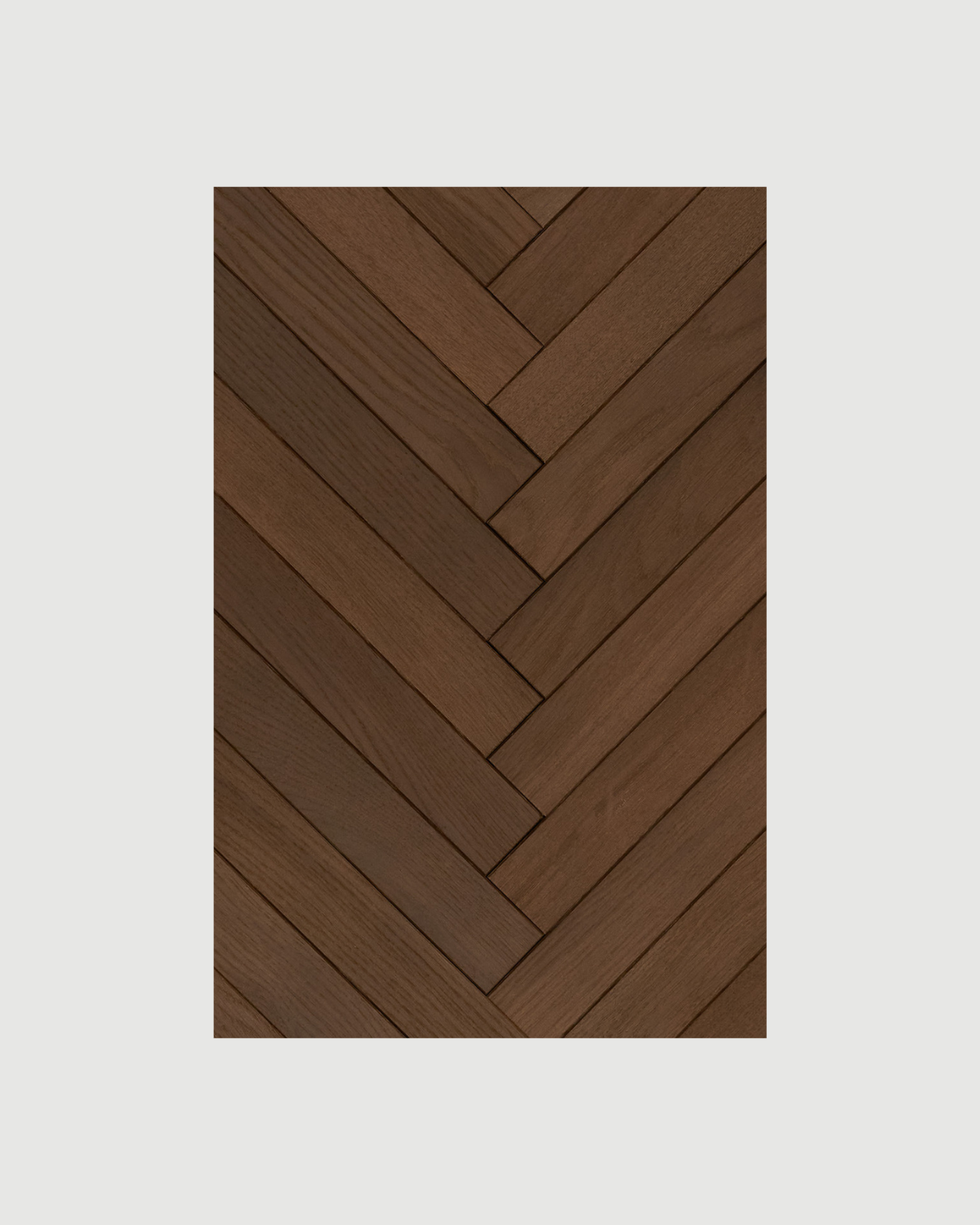
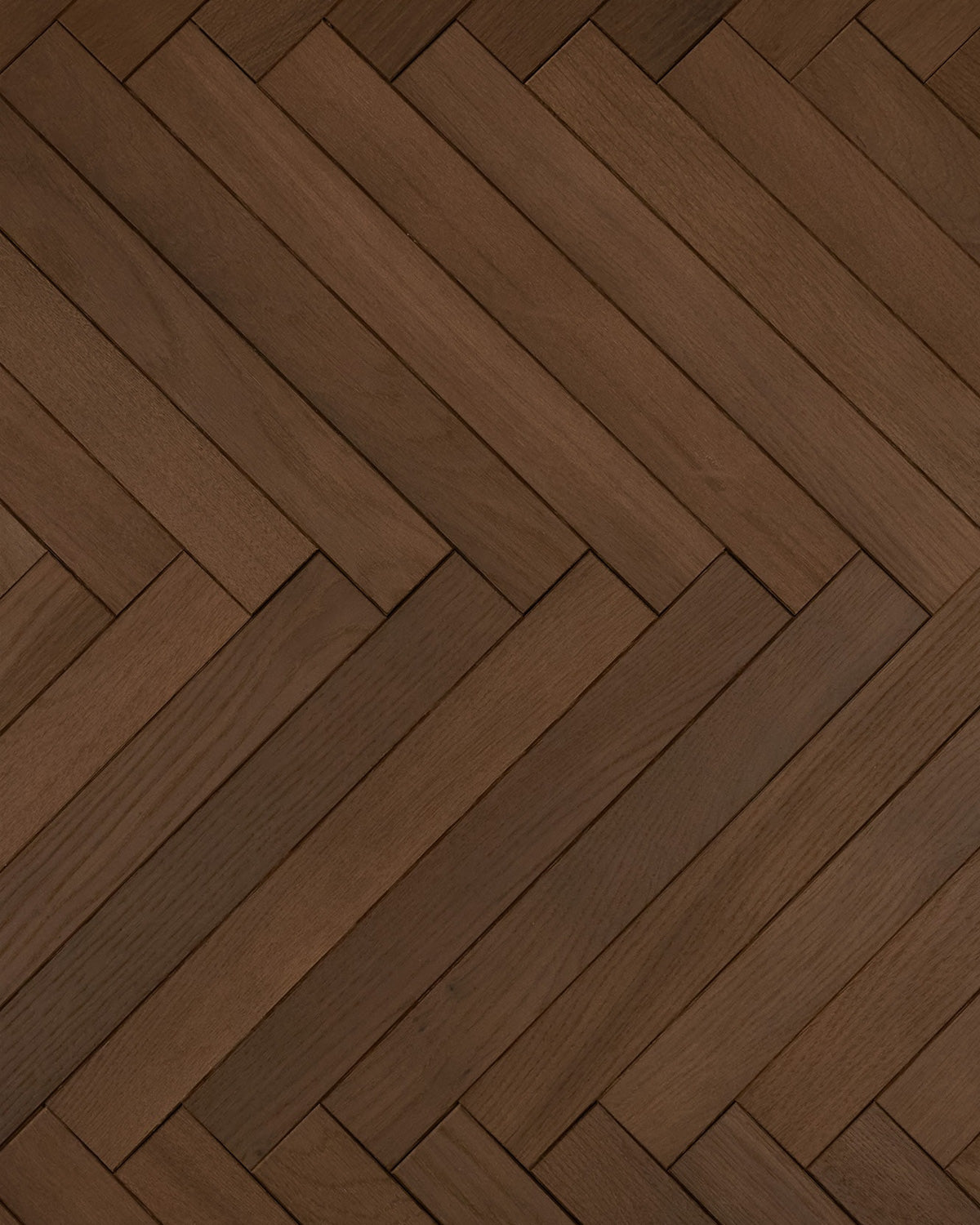
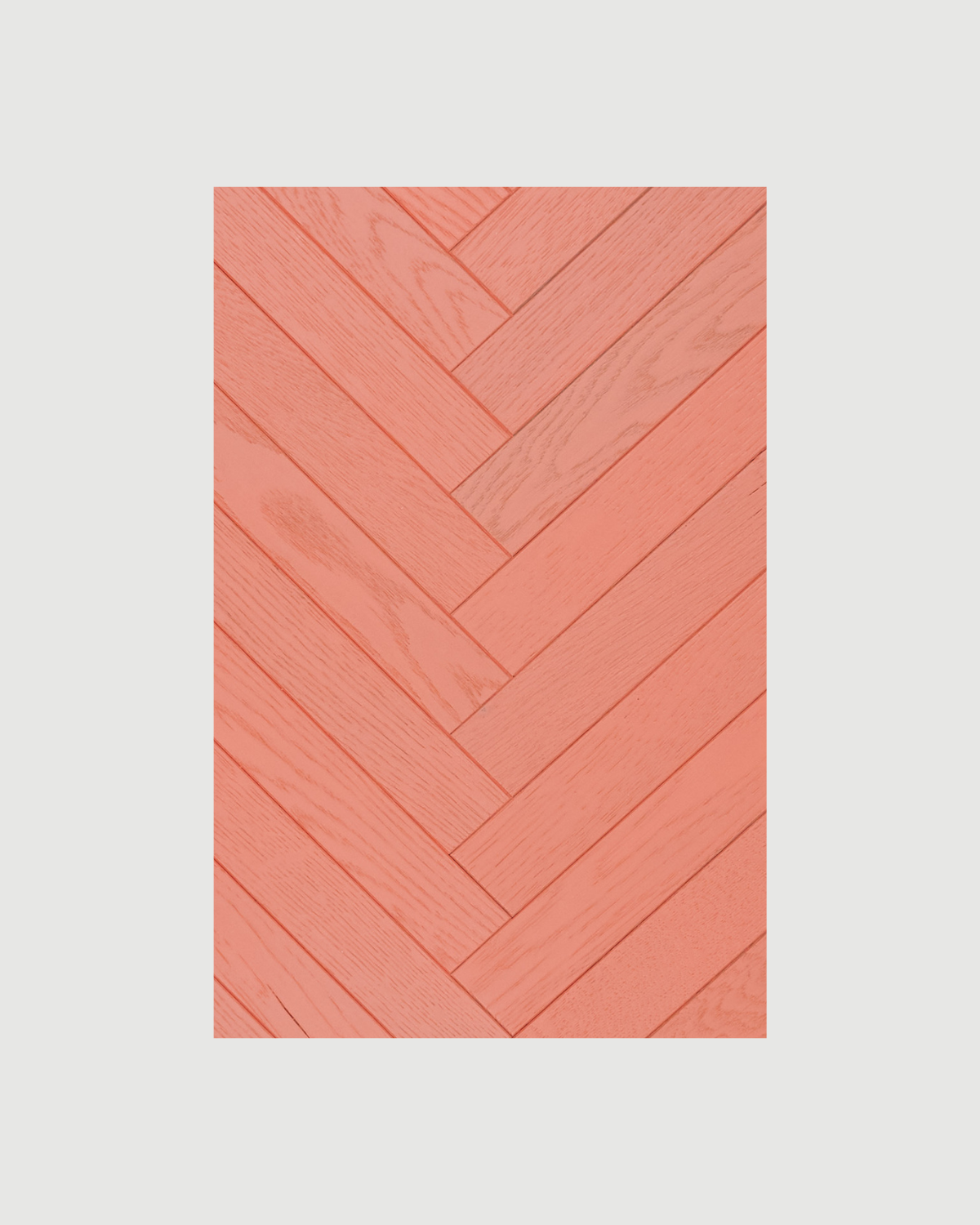
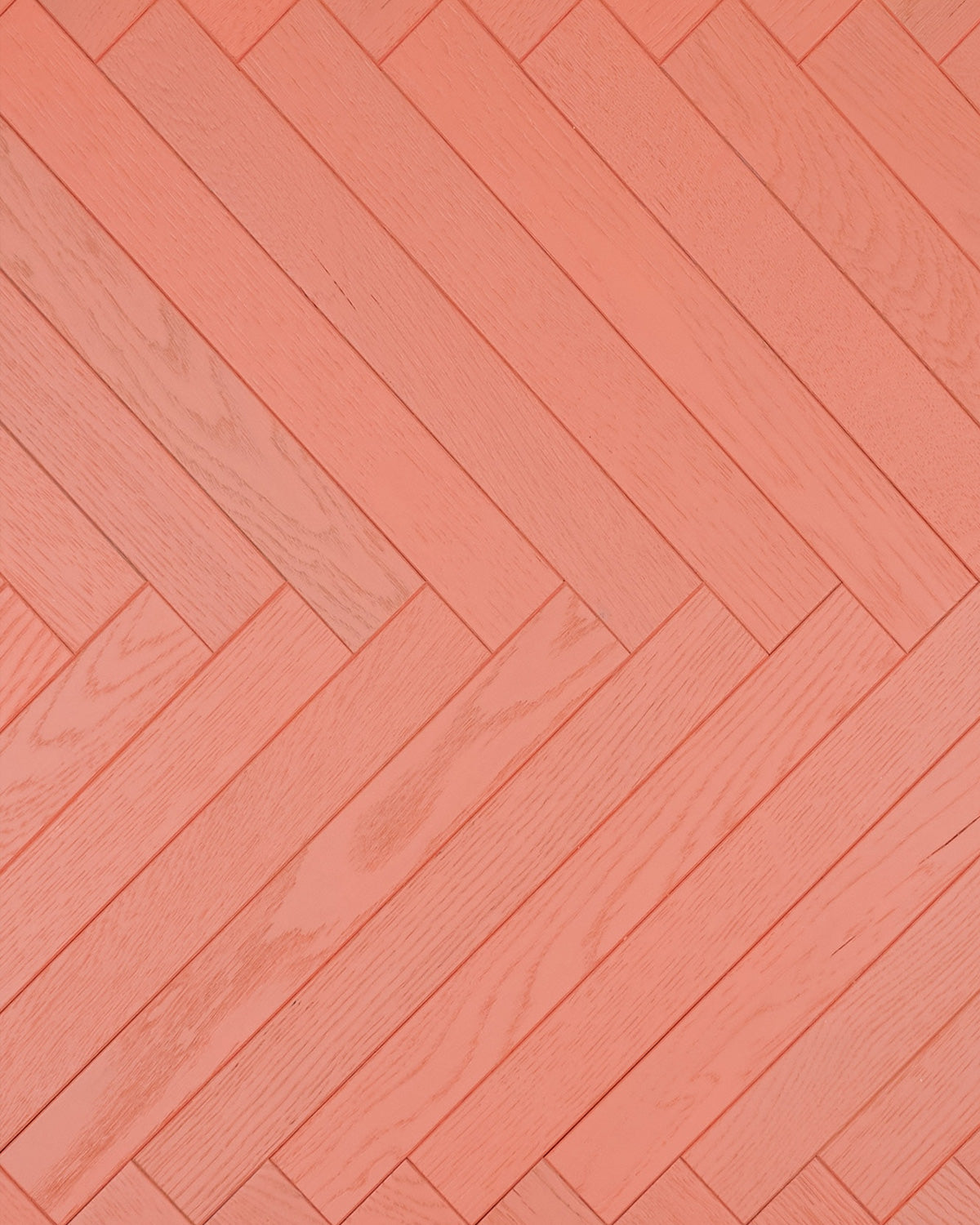
Colour Options: The Flyt collection is available in a carefully curated palette of natural oak tones, ranging from warm, enveloping hues to cooler, refined neutrals. The colours — Brook, Tidal, Drift, Ripple, and Current — are designed to enhance the authentic character and grain of the wood. Wide plank engineered wood flooring can be installed uniformly for a calm, monolithic effect or paired with other formats within the collection to introduce contrast and greater design flexibility.
Features of Flyt Wide Plank Engineered Hardwood
Flyt wide plank flooring is engineered to meet both aesthetic and performance requirements:
- Wide plank engineered hardwood construction: enhanced dimensional stability
- Oak wear layer: authentic grain character and natural durability
- Matte lacquer finish: reduces glare and improves scratch resistance
- Fewer visible joints: creates visual flow and spatial continuity
- Long plank format: highlights natural variation and wood depth
- Designed for longevity: suitable for daily residential use and light commercial settings
Ideal Application Areas
Wide plank engineered wood flooring is suitable for a wide range of interior applications:
- Open-plan living areas
- Bedrooms and private residential spaces
- High-end retail and hospitality interiors
- Contemporary and minimalist architectural projects
Note: This product is intended for interior use only and should not be installed in areas exposed to excessive moisture unless otherwise specified.
Why Choose Wide Plank Flooring from Relative Floors & Walls?
The Flyt collection stands out among wide plank hardwood flooring solutions for its balance of scale, simplicity, and durability. The engineered construction ensures structural reliability, while the wide plank format enhances spatial perception and material authenticity.
If you are looking for wide plank engineered wood flooring that combines contemporary elegance with lasting performance, Flyt offers a refined and versatile solution, ideal for interiors defined by a contemporary architectural language.