Article | Crossing
White (Oak) Christmas

Article | Crossing
White (Oak) Christmas

Article | Crossing
White (Oak) Christmas
Explore the richness and nuances of white oak: a journey through species, unique characteristics, and sustainability, beyond the classic Christmas tree.
December 17, 2025
When winter arrives, our attention usually turns to the trees of the season: firs, pines, cypresses. They are tall, fragrant, and wrapped in lights and tradition.
But there is another tree, far less festive and far more present in our daily lives, that deserves a moment of attention. It does not stay in the living room for only a few weeks; it stays with us for years, right under our feet. This is the white oak, a tree with a story that is broader, richer, and more enduring than anything we typically associate with the holidays.
The other holiday tree.
During the holiday season, trees often take the spotlight — firs, pines, cypresses. Tall, fragrant, fluffy or sparse. But there’s another tree, less festive and far more familiar in daily life, that deserves attention: the white oak.
Like the term “Christmas tree,” “white oak” is a catchall name that includes an astonishing variety of species. From America to Eastern Europe, every oak tells a different story through its color, grain, hardness, and performance.
A quiet strength: the European oak
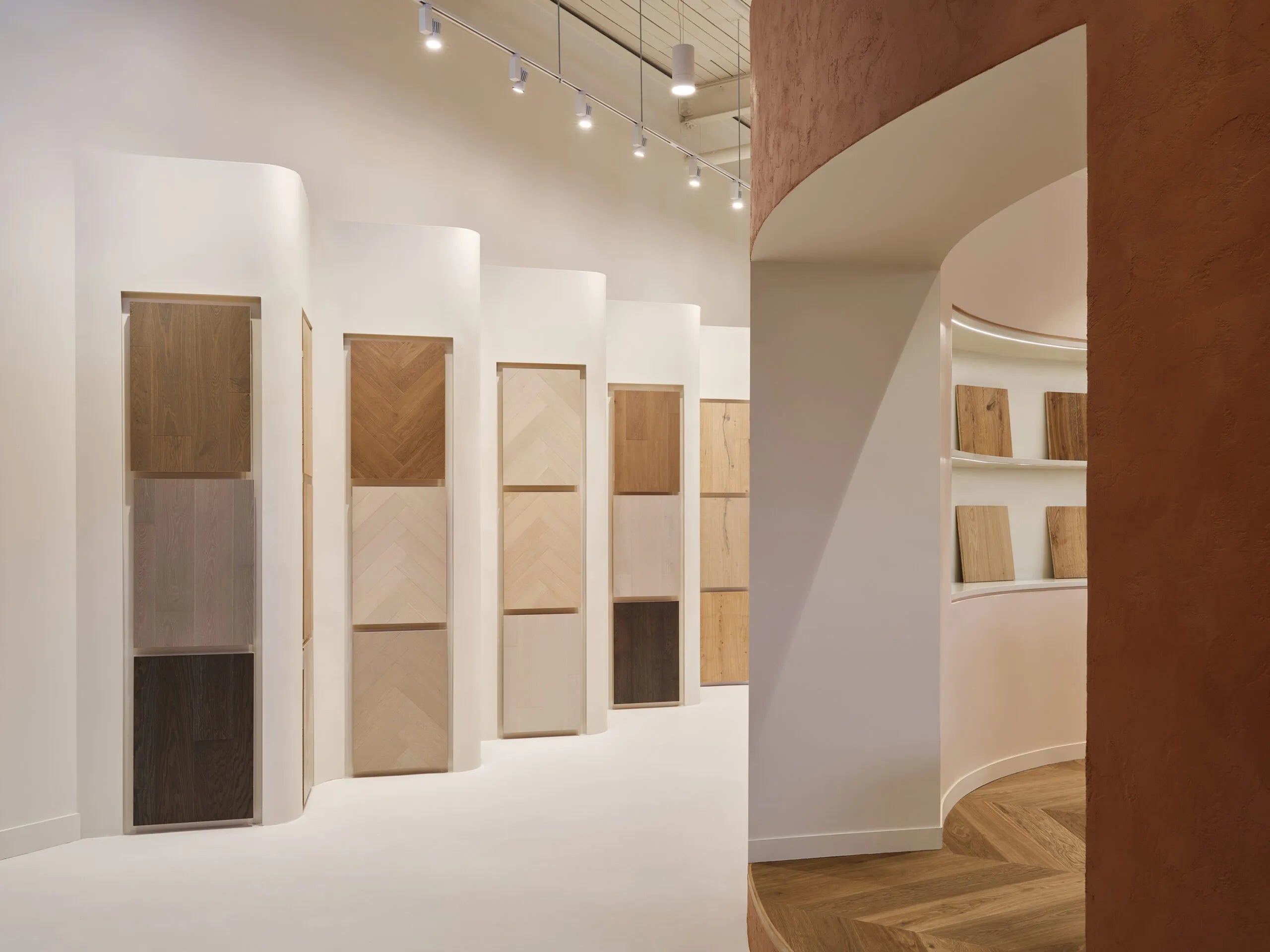
European white oak, or Quercus robur (meaning “strong” in Latin), is widely used in flooring for its balance of strength and elegance. It prefers temperate climates, thrives in full sunlight, and anchors itself in dense, moist soil. Its slow growth creates a tight, refined grain that makes it highly stable and resistant to humidity or temperature fluctuations.
This is why so many of Relative’s floors begin their journey in the forests of France or Germany, where these oaks are cultivated with care and intention.


Color, texture, and the taste of place
Where American oak often leans toward yellow or pink undertones, European oak is more subdued: cooler, greyer, and neutral by nature. Eastern European or Russian varieties can feature dark veining and are typically less dense. The high tannin content in European oak also makes it ideal for natural treatments like fuming or light staining, without the need for artificial coloring.
Just like wine, wood carries its own terroir. Soil, water, sunlight, and local climate all shape how a tree grows — and how the final board will look and behave in your space. Each plank carries traces of the place it came from, a quiet imprint of geography and time.
Beyond aesthetics: a question of responsibility
Sustainability matters. Just as we think twice before choosing a holiday tree, it’s worth considering where your floor comes from. European oak is more likely to be harvested through carefully regulated, low-impact forestry practices, which is why it plays a leading role in the relative collection.
If you’re thinking about incorporating this timeless material into your next design, whether you are considering wood flooring in Toronto, exploring wide plank flooring, or pairing European hardwood flooring with European tile or European floor tiles, our team is here to help you choose the right oak — one that aligns beautifully with both your project and your principles.
Related Posts
Pigmento Collection
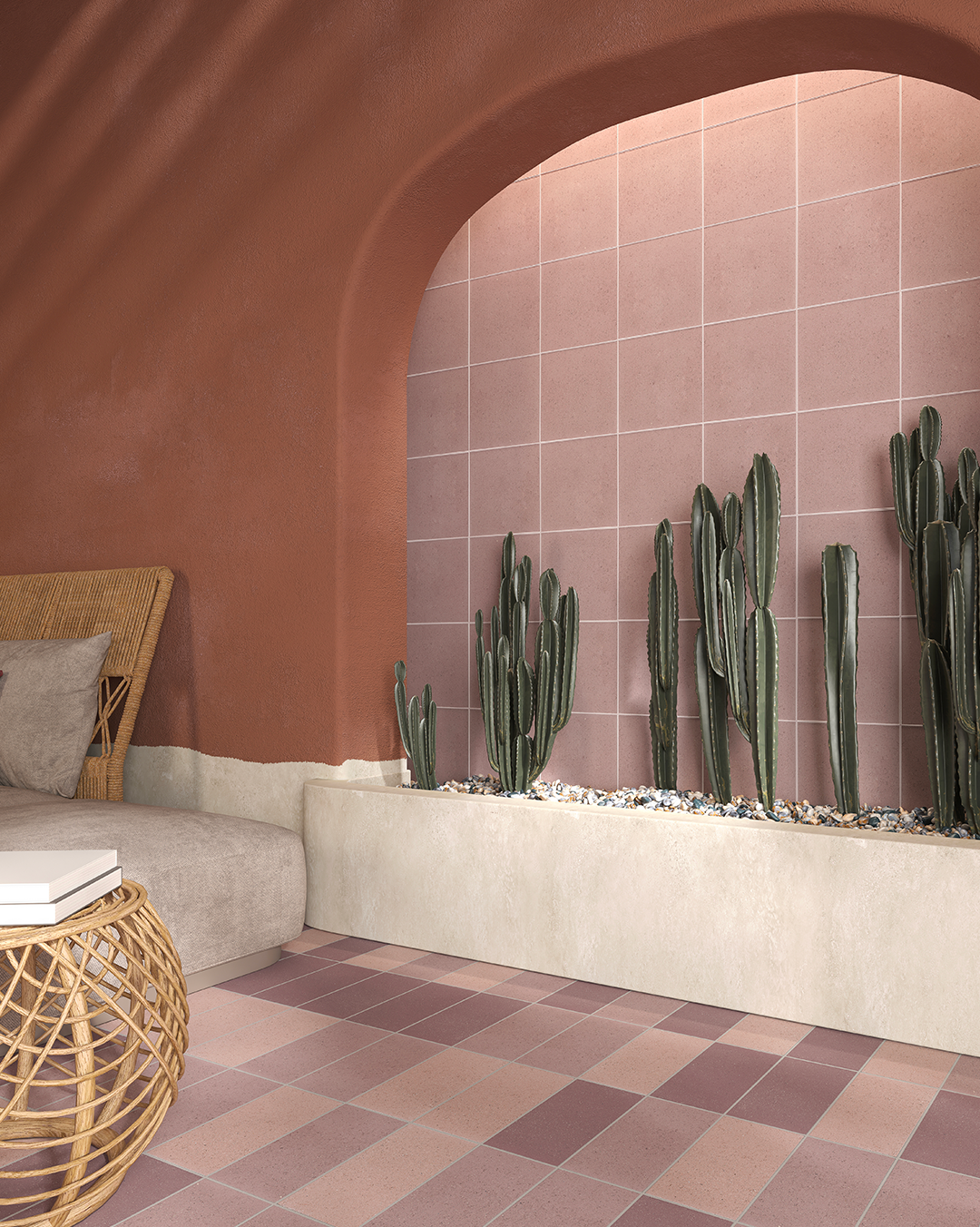
Pigmento redefines the concept of surface by transforming recovered natural stone into a new material, where imperfection becomes identity and sustainability becomes design language.
Read More
The Rise of Conscious Interiors
Today, the choice of a commercial carpet manufacturer expresses a clear design vision. One rooted in conscious intent, measurable outcomes, and transparent processes, where aesthetics, environmenta...
Read More